LunchBox
Overview
Some stories don’t need scale to land heavy. Lunchbox is a short animated film about a mother, a forgotten lunch, and a neighborhood that forgot who she used to be.
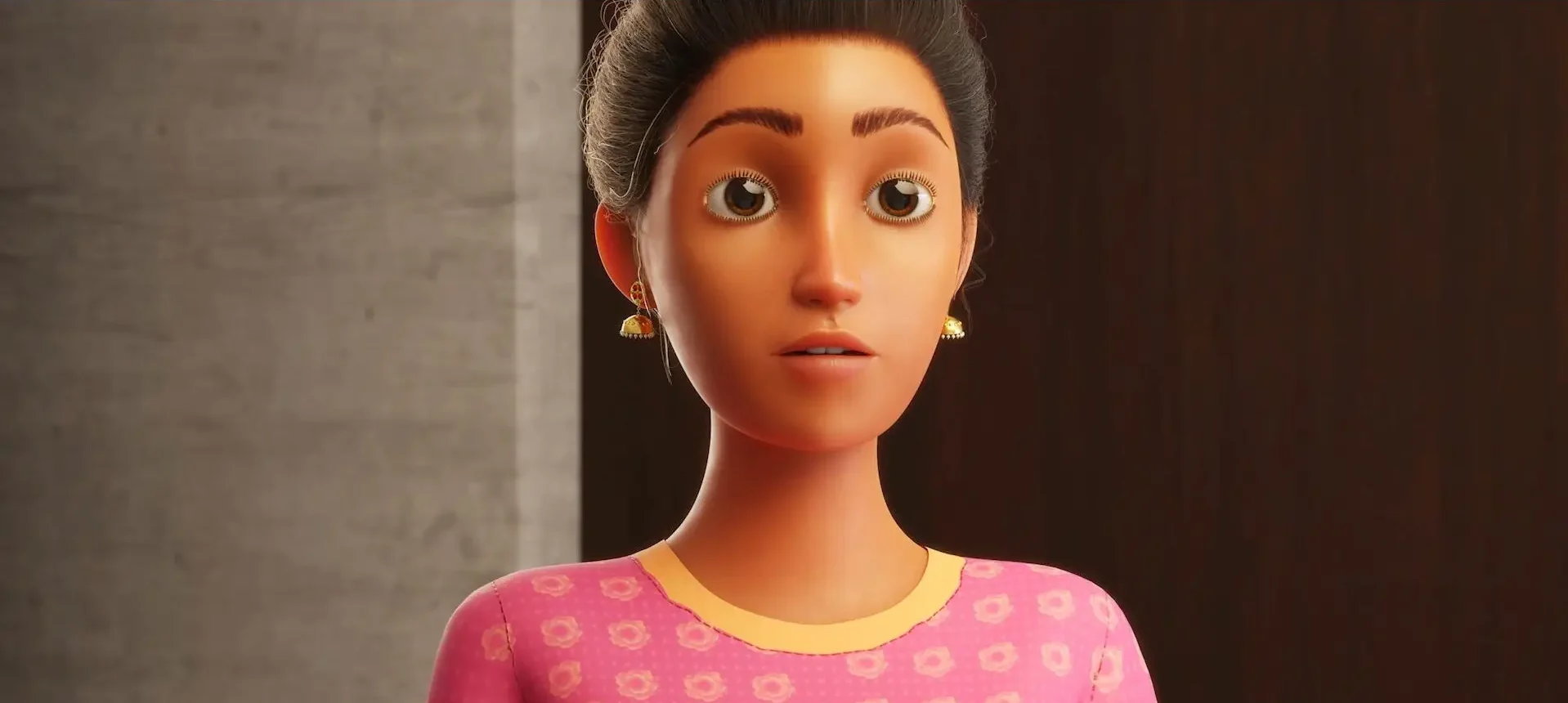
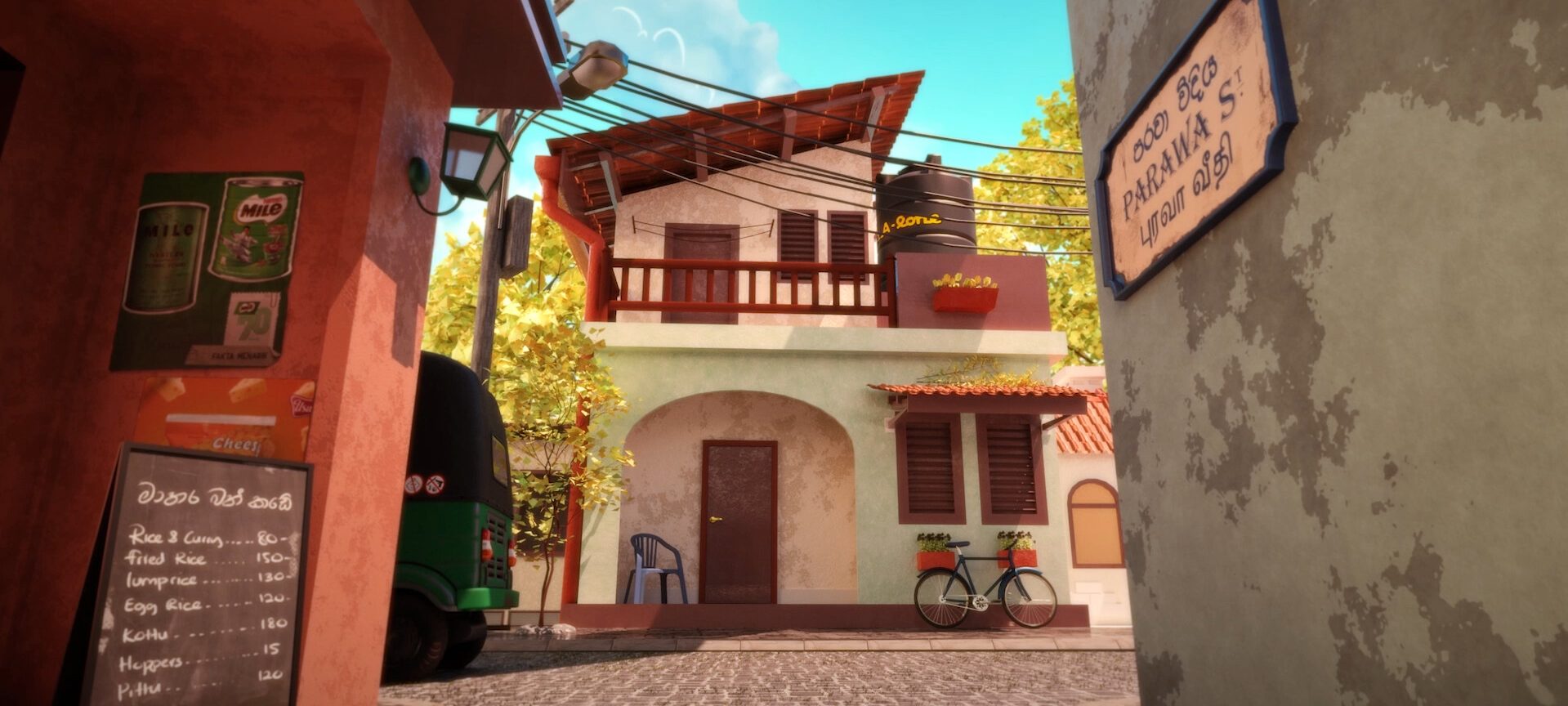
Set in a quiet residential street one ordinary morning, the film follows Maya a woman who has quietly folded herself into the shape of what’s expected. When her son leaves for school without his lunchbox, she runs. Not because it’s dramatic. Because that’s what mothers do. But the street watches. The neighbors whisper. A married woman shouldn’t be seen running in public.
What follows isn’t confrontation. It’s memory. A flashback to a younger Maya, mid-stride on a track, fast and free and entirely herself. And then a choice a small, deliberate, joyful to find a reason to run again.
The Magic
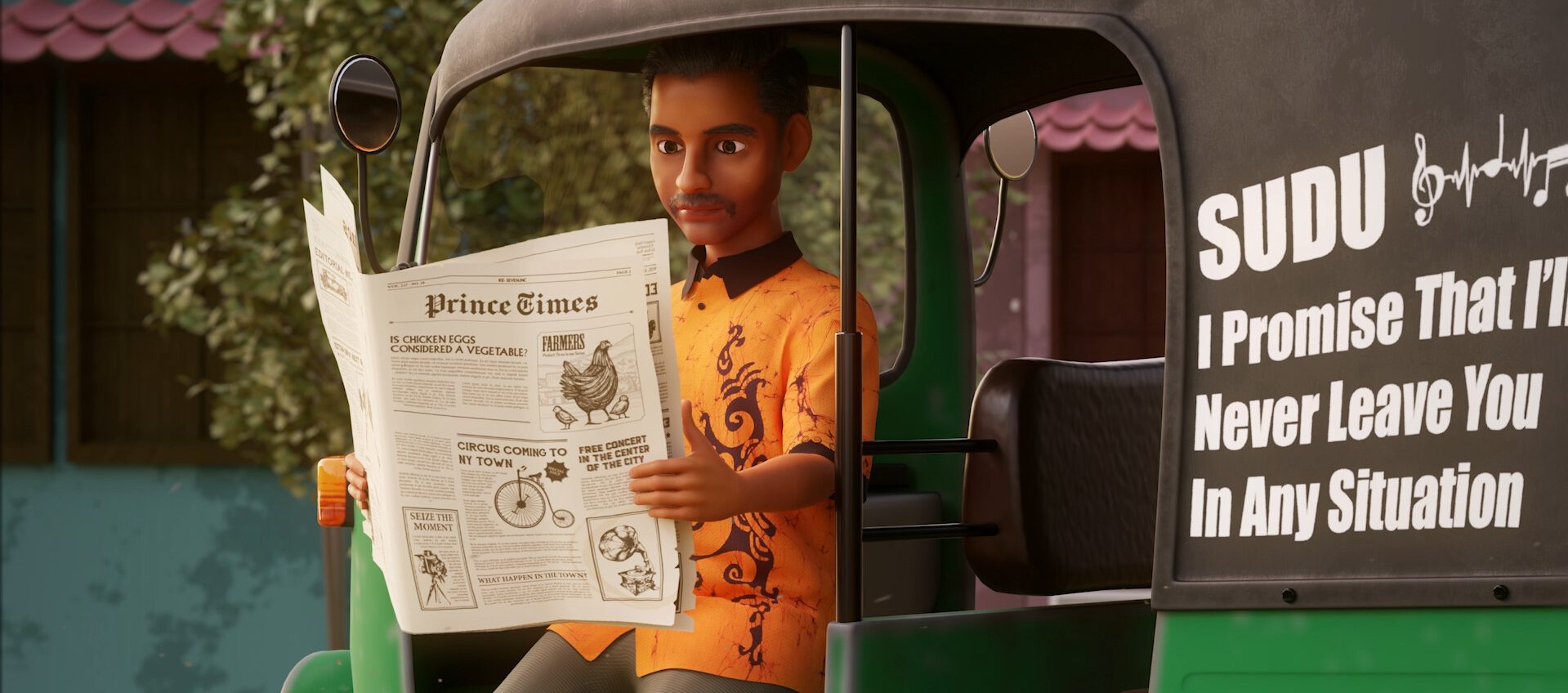
Lunchbox was built from the ground up as a solo production written, directed, and animated by one person across the full pipeline. Every scene was designed to carry emotional weight through movement rather than dialogue. The animation style balances grounded physicality with a warmth that keeps the film from ever feeling heavy-handed.
The Intention
The film wasn’t made to argue a point. It was made to recognize a feeling that specific quiet loss of something you used to be, and the small, private ways people reclaim it.
Maya doesn’t overcome anything by the end. She just finds a reason to run again. That’s enough. That is the film.
As a story about identity and expectation, Lunchbox works because it trusts the audience. Nothing is explained. The flashback earns its meaning through juxtaposition, not narration. The final beat lands because the film spent its entire runtime earning it.
